Two Characters, One Goal
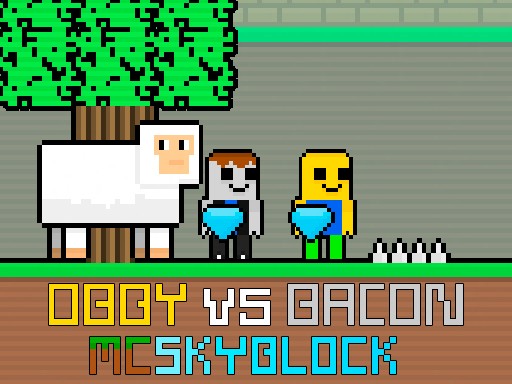
Obby and Bacon Block Journey is built around a simple cooperative premise: you control two characters, Obby and Bacon, who must both reach the end of each level. The game is a puzzle-platformer set in a block world, where progress depends on keeping the pair together and managing their movements in tandem. The core loop involves catching animals and collecting diamonds scattered across each stage. These collectibles are not optional extras; missing one can force a level restart if you are aiming for a perfect score. That design choice makes every jump and detour matter, turning each stage into a planning exercise rather than a race.
Level Obstacles and Navigation
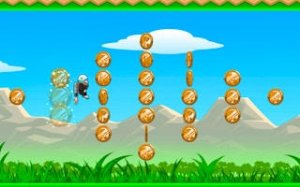
Levels feature gentle slopes, cliffs, and barriers that require careful jumps. Because both characters must succeed, you cannot simply rush one ahead. The game rewards patient observation: studying a section before moving, identifying where animals or diamonds are hidden, and timing jumps so both characters clear an obstacle. The block world aesthetic keeps hazards readable, so cliffs and gaps are easy to spot, but the challenge comes from coordinating two characters through the same sequence without separating them. [IMG_1]
Controls and Accessibility
Inputs are intentionally simple, typically directional movement and an action button. This makes the game approachable for younger players or those new to puzzle-platformers. However, simple controls do not mean shallow play. The difficulty scales through level layout and collectible placement, not through complex button combinations. The cooperative requirement means two players can share a controller or work together on one device, making it a natural fit for siblings, friends, or parents playing with children.
Who It Suits
This is a family-friendly game with no violent or inappropriate content. Its emphasis on teamwork, exploration, and methodical play makes it best suited to players who enjoy cooperative puzzle-solving rather than fast reflexes. If you prefer games where success depends on communication and shared decision-making, the structure here supports that. If you want a solo speedrun challenge, the two-character requirement may feel restrictive instead.
Compatibility
▸ Desktop: Chrome / Edge / Firefox / Safari
▸ Mobile: iOS Safari / Android Chrome
▸ Tablet: iPadOS Safari / Android Tablet Browser
Keep your browser updated for the best experience





Editorial Notes