Core Jumping Mechanic
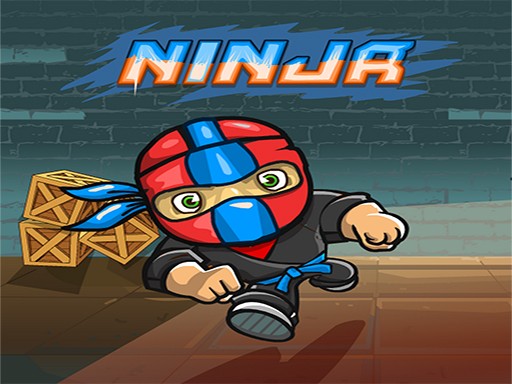
Little Ninja Obstacle Dash is built around a single action: tapping or clicking the screen to make the ninja jump. Each obstacle must be cleared to keep moving forward. Timing matters more than speed, and the game gives immediate feedback so players know right away if they mistimed a jump. The longer the ninja survives, the higher the score climbs.
Obstacle Design and Session Flow
Obstacles are bright, colorful, and arranged in fresh patterns each session. That randomness means players cannot memorize a single route; instead they learn to read the rhythm of what is coming and react. Because sessions are short and restart quickly, the game fits naturally into brief breaks or longer play periods without demanding a big time commitment.
Visual Style and Audio Atmosphere
The graphics lean toward cheerful and playful, with a palette designed to appeal to younger children. Cheerful music and sound effects reinforce the positive tone. Nothing in the presentation is aggressive or overwhelming, which keeps the experience light and approachable for its intended audience.
Who This Game Suits
This is a casual arcade title aimed at children and anyone who wants a low-pressure reflex game. It runs in a browser and loads quickly, so no installation is needed. There are no complicated rules to learn, which makes it accessible for young players who can start playing immediately. The lack of violence or inappropriate content keeps it suitable for all ages.
Compatibility
✅ Works on PC & Mobile | Recommended: Chrome / Safari / Edge











Editorial Notes