Paddle Control and Rally Mechanics
In Table Pong, each player controls a paddle on their side of the table. Using keyboard keys or touch controls, you move the paddle up and down to intercept the ball. The ball bounces off the edges of the table, and each successful return keeps the rally going. The objective is to hit the ball past your opponent so it lands on their side. A missed shot awards a point to the other player. Matches continue until one player reaches the set score. Timing and angle are important for effective returns, and watching your opponent's paddle position can help you anticipate their shots.
Designed for Local Competition
Table Pong focuses on direct competition between two people in a local multiplayer setup. There is no single-player mode; the game is built for shared enjoyment. The controls are smooth and responsive, allowing precise paddle movement. A simple scoring system tracks each rally, and match setup is quick with no complicated menus. The game is accessible to players of all ages and skill levels, making it a natural fit for social gaming sessions.
Visual Style and Accessibility
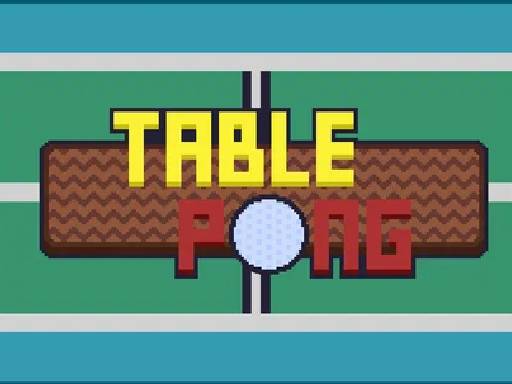
The visual design is vibrant and easy on the eyes, which helps during longer play sessions. The clean presentation and simple rules mean anyone can pick it up and start playing within moments. There are no unnecessary complexities or hidden mechanics. The challenge comes from reflexes and anticipation, not from learning a complex control scheme.
Improving Your Play
Practice your timing to improve your returns. Watch your opponent's paddle position to anticipate their shots. Stay calm during long rallies to maintain control. Consistent practice will help you develop better reflexes and strategic thinking over time. Because the mechanics are straightforward, most improvement comes from reading your opponent and reacting quickly.
Compatibility
✅ Works on PC & Mobile | Recommended: Chrome / Safari / Edge











Editorial Notes