Core Driving Experience
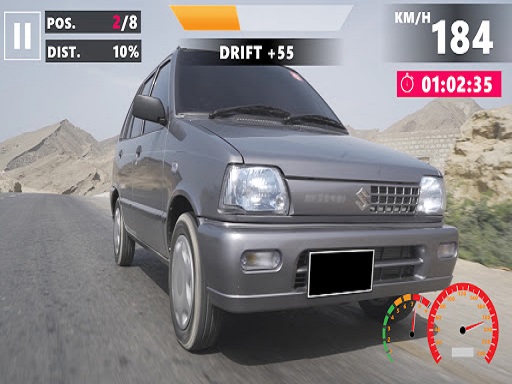
Mehran City Driving Simulator focuses on realistic driving physics and authentic engine sounds. You control a Suzuki Mehran through city streets, and the handling aims to mirror how a real car responds. The game uses data from real cars to inform its physics model, which affects acceleration, braking, and cornering. Traffic and collisions matter: crashes damage your car, so smooth driving preserves both your vehicle and your progress.
Passenger Mode and Free Roam
Two modes structure the gameplay. In passenger mode, you pick up customers and drop them at their destinations before a timer expires. Efficient route planning and steady driving are essential because late arrivals reduce your rewards. Free roam mode removes the clock and lets you explore the city to find new customer types and hidden areas. Both modes share the same map and car, so skills developed in one carry over to the other.
Customization and Progression
Before driving, you can change your car's appearance by swapping parts such as the body, wheels, windows, and headlights. Completing missions earns rewards that unlock additional features, giving a reason to keep accepting passenger jobs. The game also includes relaxing songs that play while you drive, which can help maintain focus during longer sessions. Performance remains important: customization is cosmetic, but careful driving directly affects your car's condition and your success in timed missions.
Compatibility
💻 Desktop | 📱 Mobile | 📟 Tablet
– All supported · Best with Chrome or Safari


Editorial Notes