Two Characters, Opposite Rules
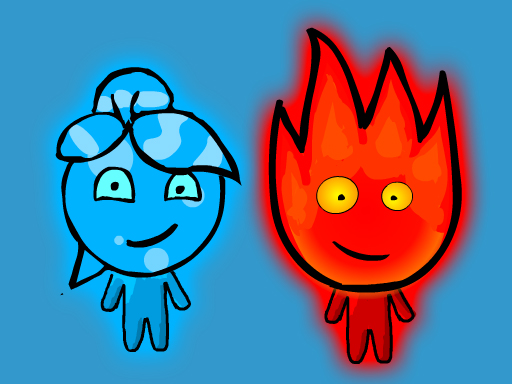
Fireboy and Watergirl 3: Ice Temple builds its puzzles around a simple but demanding rule: each character survives only in their own element. Fireboy can walk through lava but is harmed by water; Watergirl can walk through water but is harmed by lava. Green pools are deadly to both. Every route must be planned around these weaknesses, and a path that works for one character is often fatal for the other.
Controls and Coordination
One player can control both characters simultaneously using WASD for Fireboy and the arrow keys for Watergirl. This split control scheme forces you to think about both characters at once, pressing buttons, shifting platforms, and timing movements so neither is left in a dangerous spot. Some obstacles require both characters to act together, making coordination the central skill rather than a secondary one.
Icy Surfaces and Frozen Traps
The Ice Temple setting adds slippery floors that reduce control and frozen traps that punish careless movement. These elements make timing more important than raw speed. A jump that would be routine on solid ground becomes a calculated risk on ice, and the frozen hazards often sit near the gems you need to collect.
Level Goals and Progression
Each level asks you to collect all gems before leading both characters to their separate exit doors. With over 30 stages, the puzzles gradually introduce new combinations of hazards and mechanisms. Early levels teach the elemental rules, while later ones layer slippery surfaces, moving platforms, and button-activated paths into longer sequences that require planning before you move.
Who This Suits
The game is family-friendly and free to play online without downloads. Its difficulty curve means younger or newer players can learn the basics, while experienced puzzle fans will find the later stages genuinely challenging. Sessions can be short or long, since each level is self-contained and progress is measured in completed stages rather than a continuous timer.
✅ Compatibility & Testing
• Desktop (Windows 11, macOS Ventura)
• Mobile (iPhone 14, Samsung Galaxy S23)
• Tablet (iPad Pro, Android tablet)
✅Supported browsers: Chrome, Safari, Edge, Firefox (latest versions)
❌ Not supported: Internet Explorer, older browser versions








Editorial Notes