Escaping the Mine
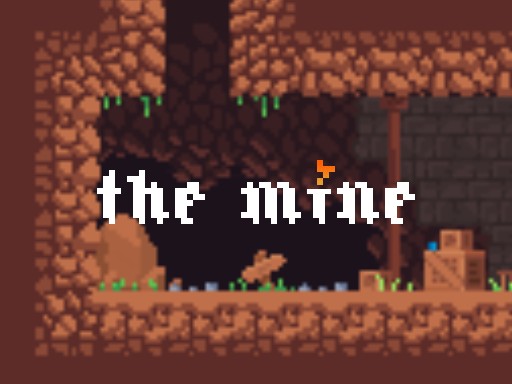
Underground Puzzle Escape places a single character in a network of dark mine tunnels. The objective is straightforward: find a way out. Progress depends on careful observation rather than reflexes. Each tunnel and chamber contains objects to examine or collect, and the environment itself supplies the clues needed to move forward. The story unfolds gradually as the player advances, so the escape route doubles as a slow reveal of what happened underground.
Point, Click, and Combine
Interaction uses simple mouse or touch controls. Clicking on an object examines or collects it. Puzzles are solved by locating clues in the environment and combining items logically. The character moves automatically or with basic commands depending on the situation, which keeps attention on the puzzle rather than navigation. There are no time limits, so players can study a scene for as long as they need. Hints and visual cues are available when a puzzle stalls, and progress saves automatically so a session can be paused and resumed later.
Puzzle Difficulty and Design
Puzzles increase in difficulty gradually. Early challenges establish how clues and items relate to one another; later ones ask players to apply those patterns across multiple objects or rooms. The design rewards creative thinking and patience. Because the mine setting is atmospheric without disturbing content, the game suits solo play or family game time. The absence of time pressure makes it accessible to younger players and to anyone who prefers to think through a problem rather than react to it.
Approaching Stubborn Puzzles
Clues are often hidden in plain sight, so scanning a room methodically before touching anything pays off. When an item seems useless, testing it against other objects can reveal a tool or a missing piece of a larger solution. If a puzzle resists a direct approach, stepping away and returning later often makes the intended connection clearer. Logical thinking and observation, not speed, carry the player through the mine.
Compatibility
✅ This game supports:
- Desktop browsers (Chrome, Edge, Safari)
- Mobile browsers (Chrome on Android, Safari on iOS)
❌ Does NOT support: - Internet Explorer - Very old browser versions
👉 Try refreshing or updating your browser


Editorial Notes