Two-Player Gold Collection
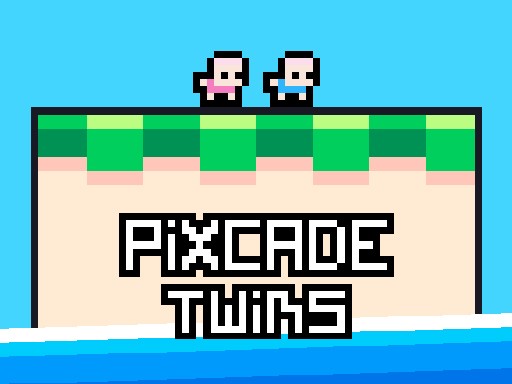
Pixcade Twins Cooperative Arcade is built around a single shared goal: gather every piece of gold on a level before you can move on. You and a partner control two characters using keyboard or touch controls. The screen is filled with pixel-art scenery and a handful of slime creatures that patrol the area. Touching one ends the run and restarts the level, so the gold isn't just a score marker—it's a reason to move carefully and coordinate your route.
Coordination Under Pressure
Because both players share the same level and the same failure condition, cooperation isn't optional. One player can draw a slime creature's attention while the other slips past to grab a coin, but that split-second plan only works if you both know where you're going. Later stages tighten the timing and place gold in spots that demand precise jumps or a quick handoff of attention. The controls stay simple, yet the difficulty curve pushes you to talk more, not less.
Pixel-Art Presentation and Difficulty Curve
The visual style is bright and blocky, with clear color contrasts that help you track characters and hazards at a glance. That readability matters when you're watching two things at once. Early levels give you room to learn the jump timing and the slime creatures' movement patterns. As you progress, the layouts become more cramped and the gold placement more demanding, so the game rewards patience and repeated attempts rather than raw speed.
Who It Suits
This is a family-friendly arcade game for two players who want a shared challenge without a complicated setup. Friends or siblings can pick it up quickly, and the restart-on-contact rule keeps sessions tense but short. If you prefer solo play, the design is clearly aimed at a pair, so the experience is best when both seats are filled.
Compatibility
✅ Works on PC & Mobile | Recommended: Chrome / Safari / Edge













Editorial Notes