Core Shooting Mechanics
Metale Sluge Retro Arcade Run is a side-scrolling action shooter played directly in a web browser. The player controls a character who moves left or right across the screen and fires projectiles at enemies using a dedicated action button. Movement is not just about reaching the end of a stage; it is a survival tool. Enemies arrive in waves and in patterns that become denser as the game continues, so standing still or firing without repositioning quickly leads to trouble. Jumping and quick lateral movement are the main ways to avoid incoming attacks.
Stage Progression and Difficulty
Each stage has a clear endpoint, but reaching it requires clearing the threats along the way. The game does not rely on a storyline or a long tutorial to explain itself. Instead, difficulty rises through the number and arrangement of opponents. Early sections give players room to learn the timing of enemy appearances, while later sections demand faster reactions and more deliberate positioning. The linear side-scrolling format keeps the focus on forward progress, but the real challenge is managing the space around the character as more enemies enter the screen.
Power-Ups and Scoring
Power-ups appear during play and temporarily improve the character's abilities. The input specifically mentions increased firing rate and stronger projectiles, both of which change how aggressively a player can push forward. Collecting them is optional, but doing so can make dense enemy waves more manageable. The game may also include a scoring system that encourages replayability, though this is not confirmed in the available information. What is clear is that the arcade structure rewards repeat attempts: learning enemy patterns and improving movement timing are the main paths to better results.
Controls and Access
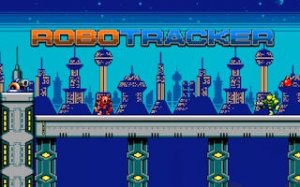
Keyboard arrows or on-screen controls handle movement, and a separate button fires projectiles. No registration, download, or installation is required. The game loads in a modern browser and is designed for short sessions as well as longer play. Because the controls are simple, new players can start without a steep learning curve, but the escalating difficulty means that precision and patience matter more than raw speed. The 16-bit pixel visuals and chiptune-style presentation reinforce the classic arcade feel without adding mechanical complexity.
Compatibility
• OS: Windows 10+, macOS 11+, iOS 14+, Android 10+
• Browsers: Chrome 100+, Safari 15+, Edge 100+, Firefox 100+
• Not compatible with Internet Explorer
Tested on real devices ✅ works as expected













Editorial Notes