One-Tap Flight, Strict Timing
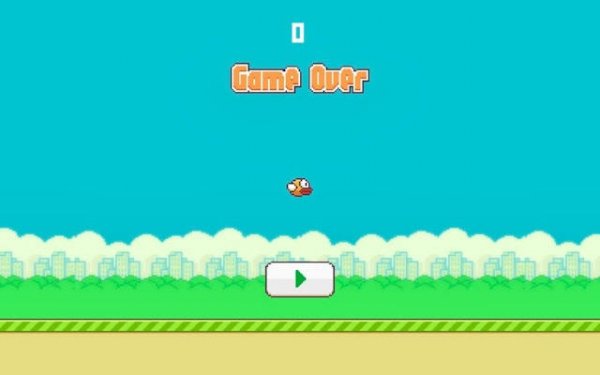
Sky Flutter Precision Runner hands the player a single action: tap or click to make a small bird rise, then release to let gravity bring it back down. That binary input is the whole control scheme. There is no dash, no brake, and no adjustable difficulty. What makes the game demanding is that every flap has both a moment and a duration, so players must judge not only when to tap but how long to hold. The result plays less like a reflex test and more like a rhythm exercise, where a steady tapping pattern matters more than any single fast reaction.
Barrier Layout and Endurance
Obstacles take the form of evenly spaced vertical barriers, each with one gap the bird must pass through. The spacing is regular and the gap size stays consistent, so the layout does not change from run to run. That predictability shifts the challenge away from memorizing sequences and toward sustaining concentration over longer distances. A single lapse in timing ends the run. Because the course does not introduce new patterns, improvement comes from internalizing the rhythm rather than learning new obstacle types, which keeps each attempt a direct test of consistency.
Minimal Presentation, Clear Feedback
The art style is clean and minimal, using a muted palette that keeps attention on the bird and the barriers. The bird has simple, smooth animations, and obstacles read clearly against the background. Audio cues mark each flap and each collision, giving players immediate feedback they can use to refine timing without watching for visual clutter. The interface is sparse, showing only the current score and a restart button. That restraint is deliberate: fewer on-screen elements mean fewer distractions during a run that punishes divided attention.
Scoring and Self-Improvement
Each barrier cleared adds one point, with no multipliers, bonuses, or collectibles. The score therefore reflects endurance and consistency rather than luck or route optimization. The game tracks the highest score, giving players a clear benchmark to beat. There is no unlockable content and no level progression, so motivation comes from personal achievement. The game also provides no tutorial or hints; players learn by experimenting with the controls and building muscle memory through short practice sessions. Immediate collision feedback reinforces correct timing and highlights where a run went wrong. This trial-and-error structure rewards patience, since every failed attempt supplies information that can improve the next one.
Compatibility
This H5 game runs smoothly on:
• Desktop computers (Windows / Mac) • Mobile phones (iPhone / Android)
• Tablets (iPad / Android)
🌐 Best experienced with Chrome, Safari, or Edge



Editorial Notes