Assembling a Hero Team
Every mission in Legends of Olympus Tactical Quest begins with a roster decision. You choose from a cast of renowned Greek figures, and each one contributes something different: some are built for direct confrontation, while others bring speed or tactical advantages that shift how a battle unfolds. Because encounters vary in their demands, the same lineup rarely works twice. The game actively encourages mixing and matching to find pairings that cover each other's weaknesses. That experimentation is not a side activity; it is the core loop.
Patron Deities and Divine Timing
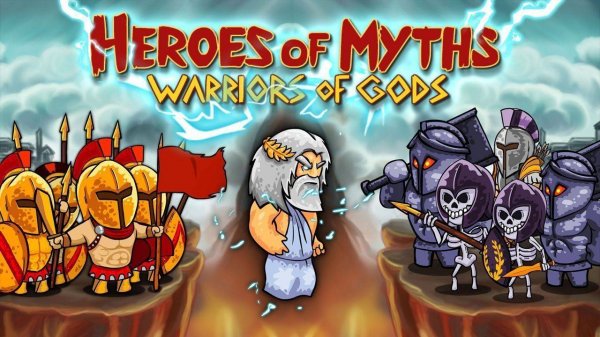
Alongside your mortal heroes, you pick a patron deity before each mission. These gods grant boons that range from elemental attacks to protective blessings, effectively adding a second layer of strategy on top of your team composition. The key word is timing. A well-placed divine power can reverse a losing situation, which turns resource management into a skill you develop over many attempts rather than something you solve once. [IMG_1]
Upgrades Without Menu Overload
Progress earns rewards that feed directly back into your heroes. You improve abilities and unlock new potential as you advance, and the upgrade system stays deliberately uncluttered. There are no sprawling skill trees to decode; the focus is on strengthening the characters you already prefer. That simplicity keeps the loop rewarding instead of turning progression into a second puzzle.
Approachable Depth for Mixed Audiences
Tutorials walk newcomers through the basics step by step, and the controls are simple enough for younger players to handle. The strategic layer underneath, however, gives older players something to chew on. That combination makes the game a reasonable fit for family sessions where one player wants quick fun and another wants to think two moves ahead. [IMG_2]
A Safe Mythology Setting
The world borrows from classic Greek myths, presenting familiar figures and locations in a colorful, non-threatening visual style. Graphic depictions are avoided in favor of heroic poses and dramatic landscapes. The result is a version of ancient legend that stays true to its source material without becoming intense, letting players enjoy the stories in a positive environment.
Compatibility
✅ This game supports:
- Desktop browsers (Chrome, Edge, Safari)
- Mobile browsers (Chrome on Android, Safari on iOS)
❌ Does NOT support: - Internet Explorer - Very old browser versions
👉 Try refreshing or updating your browser








Editorial Notes