Predicting the Next Throw
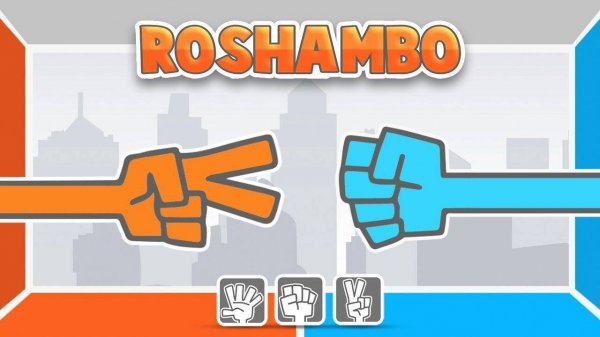
Roshambo Classic Hand Game turns the familiar rock-paper-scissors ritual into a point-based match. Each round, you and your opponent choose rock, paper, or scissors. Rock beats scissors, scissors beats paper, and paper beats rock. A correct pick earns one point. The match ends when someone reaches three points. Because every round resolves in seconds, the real contest is not the rules but the read you get on your opponent.
Reading Habits, Not Just Luck
Chance decides some rounds, yet patterns emerge over a match. Does your opponent repeat a winning throw? Do they switch after a loss? The game rewards players who notice these tendencies and vary their own selections. Against the computer, you can practice spotting sequences before facing a friend. Against a local opponent, the psychological layer deepens because you may know their habits already. The score display keeps the three-point target visible, so each decision carries weight.
Controls and Match Flow
On mobile, large on-screen buttons let you tap rock, paper, or scissors. On a computer, keyboard keys handle the same choices. After each round, the game shows both selections and the result, making it easy to track what happened and adjust. Rounds are quick enough to fit into short breaks, and the clean interface means no tutorial is needed. You can start a match against a friend locally or challenge the computer, then play until one side reaches three points.
Who It Suits
Families looking for a shared screen game will find the rules immediately clear. Players who enjoy light psychological guessing get more from repeated matches, since the computer and human opponents both create patterns worth studying. The colorful graphics and simple scoring keep the focus on the duel itself. There is no complex progression or story; the appeal is the same as the hand game it adapts, now with digital feedback and a fixed win condition.
Compatibility
Play on Any Device | Chrome / Safari / Edge Recommended











Editorial Notes