Core Physics and Aiming
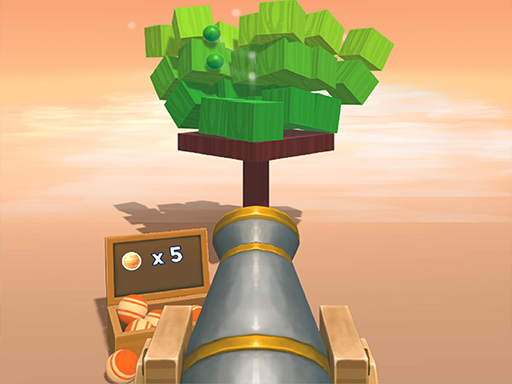
Knock Balls 2 Physics Puzzle centers on throwing balls at arranged targets. You drag on the screen to set angle and power, then release to throw. The game uses realistic physics, so every bounce and collision behaves naturally. This means a shot that looks close might still topple a target after a ricochet, while a direct hit can sometimes leave objects standing. You have a limited number of balls per level, so each throw counts.
Level Design and Special Objects
Levels present different configurations of objects to knock over. Some include obstacles or special items that demand precise timing. Because the physics are consistent, you can learn from each attempt: a ball that bounces off a wall might reach a target that seemed out of range. The variety in level layouts keeps the puzzle fresh, and difficulty rises as you progress. Stars are awarded based on accuracy and efficiency, giving you a reason to replay levels for better results.
Progression and Feedback
As you clear levels, you earn stars that reflect how well you used your limited throws. The game provides instant feedback, so you can see exactly how your shot behaved and adjust your next attempt. This loop of aim, throw, observe, and refine is the heart of the experience. The family-friendly design means anyone can pick it up, but the later levels require careful planning to solve.
[IMG_1]
Compatibility
✅ This game supports:
- Desktop browsers (Chrome, Edge, Safari)
- Mobile browsers (Chrome on Android, Safari on iOS)
❌ Does NOT support: - Internet Explorer - Very old browser versions
👉 Try refreshing or updating your browser







Editorial Notes