Core Mechanic: Launch, Bounce, Score
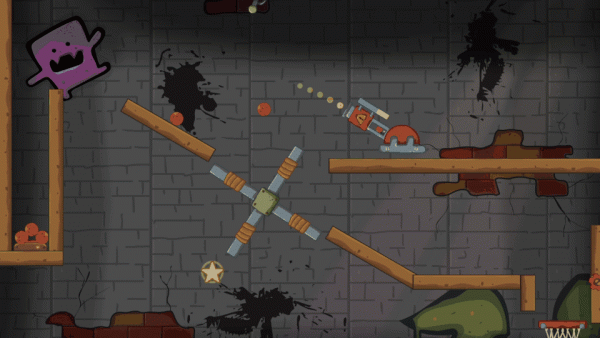
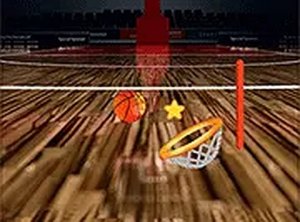
Every level in Hoop Shot Physics Challenge gives you one clear objective: send a basketball from a launcher into a hoop. The ball does not travel in a straight line. Walls, platforms, and interactive objects change its trajectory, so you must judge angles and power before each shot. Later stages place the hoop behind more complex arrangements, turning a single launch into a multi-step problem.
Interactive Objects and Order of Operations
Levers redirect the ball when activated. Switches open gates or raise platforms. Portals move the ball to another part of the level, and passing through them often depends on timing. These devices interact, so the order you trigger them matters. Some paths only open if you activate one mechanism before another. Because the physics engine behaves consistently, a failed shot gives useful information rather than random noise.
Level Design and Difficulty Progression
Early levels introduce one obstacle at a time, letting you learn how each object affects the ball. Later stages combine multiple elements and require you to think several steps ahead. The difficulty rises gradually, and there are no time limits. That structure makes the game approachable for newcomers while still offering depth for players who enjoy logic puzzles. Completing a difficult level feels earned because the solution comes from planning, not reflexes.
Visual Style and Feedback
Bright, clean visuals keep every element easy to identify. Colorful backgrounds and simple geometric shapes direct attention to the puzzle rather than to clutter. The interface stays out of the way, and the overall presentation is welcoming for players of any age. Gentle sound effects confirm successful launches and baskets, reinforcing the satisfying loop of planning, adjusting, and scoring.
Compatibility
✅ Works on PC & Mobile | Recommended: Chrome / Safari / Edge







Editorial Notes